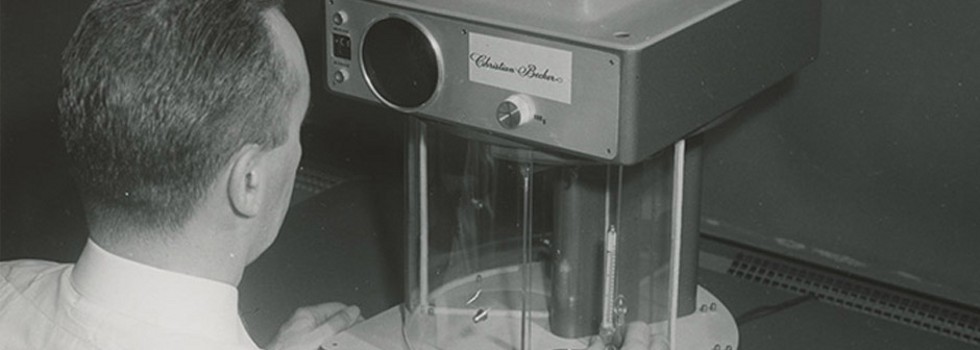
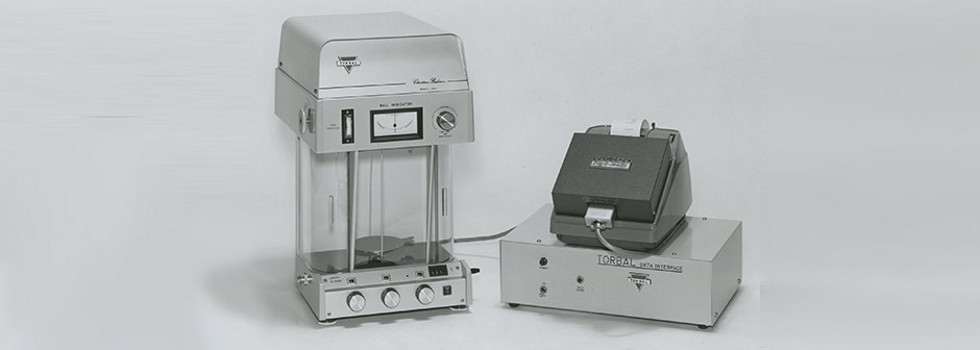
The TORBAL ET-1 top-loading balance is the only 160g capacity balance that gives you 1 miligram accuracy, complete digital display without optics or verniers, electronic null readout that prevents reading errors and variable tare up to 40g.
The Torsion balance company
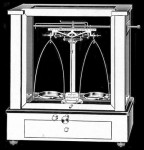
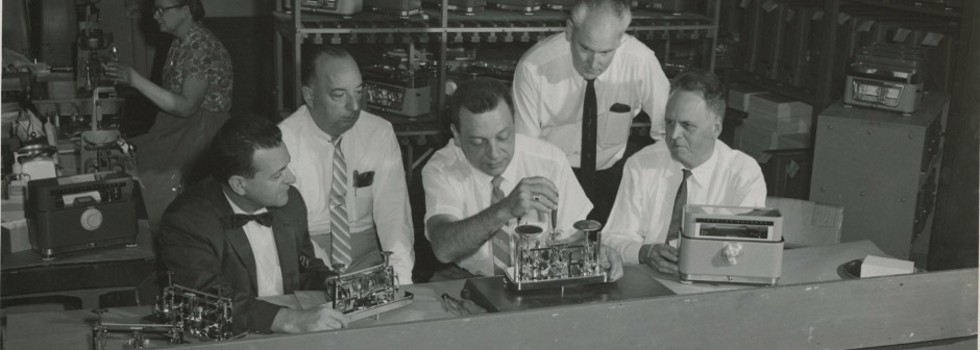
At the turn of the last century, the Christian Becker Company and the Springer Torsion Balance Company combined to form THE TORSION BALANCE COMPANY. The precision analytical balance of today, based on contributions made by the Becker family, is the finest instrument of its kind ever developed.Model NA-1 Single-Pan Balance
The new optical readout system (see actual size illustration) of the Christian Becker NA-1 Single Pan-Balance will bring laboratory personnel "up from slavery" to the freedom of effortless weighing. The large, easy-to-read reticle with vernier readout enables direct reading to 1/10 mg at a glance.Range counter adjustment procedures for EA-1
"Weighing Procedure," except that the counter should be left at zero and the needle brought to null by manipulating the coarse tare control and zero adjustment knobs. If the number on the weight control knob to the right of the decimal point is between one and nine, reduce this number by one...Lorem ipsum dolor sit amet enim
Lorem ipsum dolor sit amet enim. Etiam ullamcorper. Suspendisse a pellentesque dui, non felis. Maecenas malesuada elit lectus felis, malesuada ultricies. Curabitur et ligula. Ut molestie a, ultricies porta urna. Vestibulum commodo volutpat a, convallis ac, laoreet enim. Phasellus fermentum in, dolor.Worth Reading
-
Read more
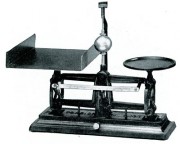
Our standard balance for pharmaceutical, chemical and kindred work. Extensively used for routine laboratory work.
(more…) -
Read more
Maximum inflexibility, quality, and economy are achieved with Moduline furniture. In use nationwide... the result of Aloe's years of experience in manufacturing and
-
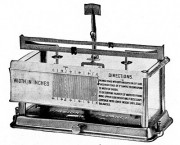
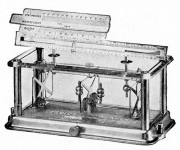
A high-grade instrument at a moderate price. The greatest balance value on the market (more…)Read more